Primrose Hill removals guide for large furniture moves
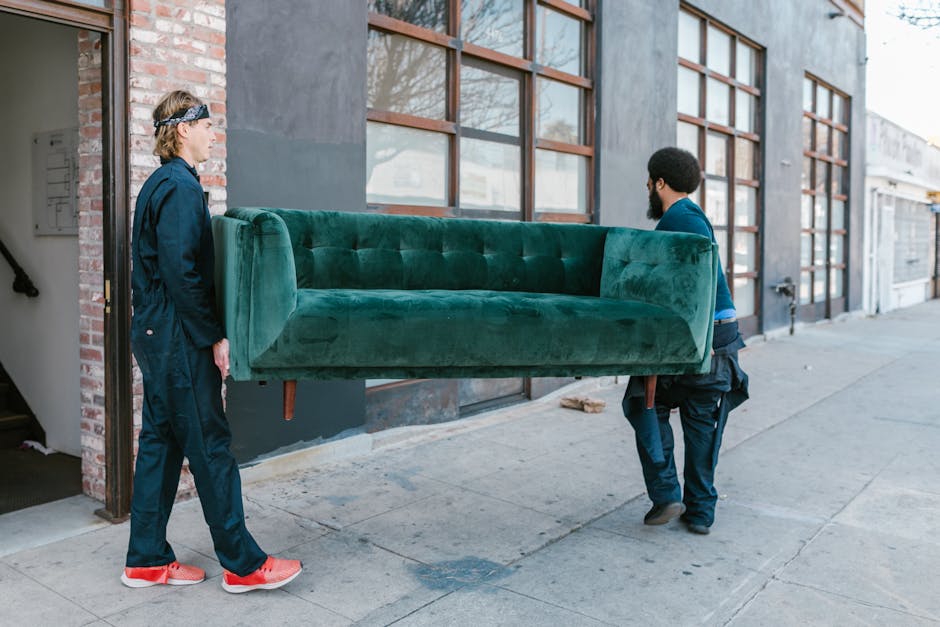
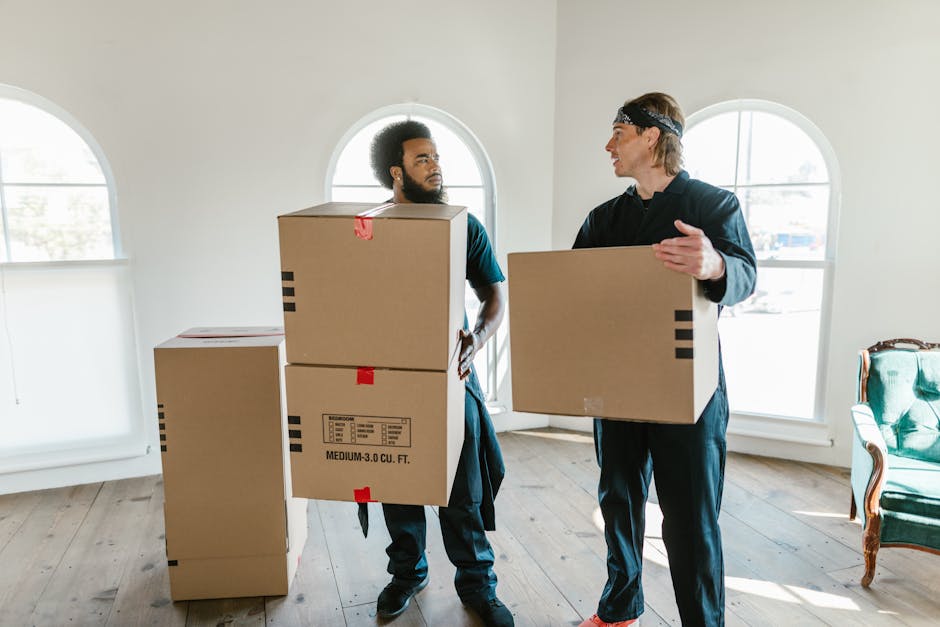
If you are planning a Primrose Hill removals guide for large furniture moves, you are probably dealing with the awkward stuff: a heavy wardrobe that barely clears the stairwell, a sofa that seemed normal in the showroom, or a dining table that suddenly looks impossible in a narrow terrace hallway. In Primrose Hill, those problems can show up fast. Tight entrances, parking pressure, shared access, and awkward corners all make large furniture moves feel more complicated than they should. The good news? With the right preparation, the move becomes far more manageable, and a lot less stressful.
This guide breaks down how to plan, pack, protect, and move large furniture safely in and around Primrose Hill. It also explains when a straightforward van job is enough, when you should book proper removal support, and how to avoid the classic mistakes that turn a simple move into a long, grumpy day. Let's face it, no one wants to be the person holding a mattress on a pavements while trying to work out which doorway it should have fitted through.
For readers comparing options, it can also help to look at broader removals support, especially if your move includes several bulky items rather than just one sofa or bed frame.
Expert summary: Large furniture moves in Primrose Hill are usually won or lost before moving day. Measure access properly, dismantle what you can, protect fragile finishes, and choose the right vehicle and lifting approach for the job. That is the simple version. The real version is still pretty simple, just a bit more detailed.
Why Primrose Hill removals guide for large furniture moves Matters
Large furniture is a different kind of removal job. A few boxes are straightforward. A king-size bed, a sideboard, a marble-topped table, or a heavy wardrobe is not. In Primrose Hill, the issue is not just weight. It is access. Victorian and period properties often have tighter staircases, awkward landings, and less forgiving corners than people expect. Even if the furniture itself is in good condition, the route out of the property may be the real challenge.
That is why a proper moving plan matters. It helps you avoid damage to the item, the property, and your back. It also saves time, which is often the hidden cost of a bad move. You may think you are saving money by doing everything yourself, but once you have hired a van, borrowed tools, and spent two hours trying to pivot a wardrobe around a bend, the maths can start to look silly.
There is also peace of mind. A well-run move feels calmer. You know what is being taken apart, what needs wrapping, what gets loaded first, and who is responsible for what. In our experience, that calm makes all the difference on narrow London streets where parking windows and access timing can be unforgiving.
How Primrose Hill removals guide for large furniture moves Works
The process is really about reducing risk in stages. First, you assess the item and the route. Then you prepare the furniture for movement. After that, you decide on the right vehicle, manpower, and loading method. Finally, you manage the actual transport and placement at the other end.
For bulky furniture, the best approach usually starts with measurements. Not just the width of the bed or sofa, but the width of the hall, the stair turns, the front door, any lifts, and the path outside the property. A tape measure is not glamorous, but it is the quiet hero of the whole day.
If the move is part of a bigger home relocation, a service such as home moves can be useful because the planning tends to be more integrated: packing, loading order, vehicle choice, and delivery sequencing all work together.
In practical terms, large furniture moves often involve one or more of these steps:
- disassembling removable parts such as legs, shelves, or headboards
- wrapping corners and surfaces to reduce scratches and scuffs
- protecting floors and bannisters during lifting
- using dollies, straps, and blankets to control the load
- choosing a vehicle that suits both the item and the street access
- loading with weight balance in mind, not just speed
That last point matters more than people think. A sofa that is technically "in" the van but loaded badly can make the rest of the move awkward or unsafe. You want stability, not just brute force.
Key Benefits and Practical Advantages
A good Primrose Hill furniture move is not about making things look easy. It is about making them easier. There is a difference. When the planning is done well, several benefits show up quickly.
- Less damage: Wrap and dismantle correctly, and the chances of chips, dents, and torn fabric go down a lot.
- Faster moving day: Clear prep means less standing around arguing with a wardrobe that will not fit through the stairwell.
- Safer handling: Bulky items can be awkward enough without adding unnecessary lifting strain.
- Better use of vehicle space: A properly loaded van carries more securely and efficiently.
- Lower stress: You are not improvising at the front door while the clock ticks.
There is another advantage people often miss: better decision-making about what to keep, store, dismantle, or replace. If an oversized item is more trouble than it is worth, moving day can be the moment you finally accept it. Painful, perhaps. Useful, definitely.
For items you are not ready to move immediately, short-term storage can be a sensible bridge between homes, especially if completion dates are not lining up neatly.
Who This Is For and When It Makes Sense
This guide is for anyone moving one or more large furniture items in Primrose Hill, but it is especially useful if your property has limited access or your furniture is expensive, antique, unusually shaped, or just plain heavy. It suits flat moves, house moves, and partial moves where only the big pieces need special handling.
You will likely need this kind of planning if you are moving:
- a sofa, corner sofa, or sofa bed
- a double or king-size bed and mattress
- a wardrobe or large chest of drawers
- a dining table and chairs
- a bookcase, sideboard, or drinks cabinet
- gym equipment or awkward household items with odd weight distribution
It also makes sense if you are moving on a tight schedule. Maybe the tenancy start date is fixed, maybe the old place has to be cleared quickly, or maybe there is only a small delivery window. In those cases, a more structured approach is not overkill. It is common sense.
For smaller but still awkward jobs, a man and van style move can be a sensible fit, provided the furniture volume and weight are realistic for the vehicle and crew size.
Step-by-Step Guidance
1. Measure everything twice
Start with the furniture itself, then measure the route out. Door widths, stair turns, hallways, lift dimensions, ceiling height at tight points, and the parking distance to the entrance all matter. Do not rely on memory. Memory is a liar when you are under pressure.
2. Check whether the item can be dismantled
Many large items are far easier to move if you remove legs, shelves, headboards, handles, or detachable panels. Keep fixings in labelled bags and tape them to the correct item. Simple, but people skip it all the time.
3. Protect the item properly
Use blankets, stretch wrap, cardboard edge protectors, or suitable padding for fragile surfaces. If the furniture has glass, mirror inserts, polished wood, or upholstery, treat those as separate risk areas. A quick wrap can prevent a surprisingly annoying scratch.
4. Prepare the property
Clear hallways, move loose rugs, and protect floors if needed. In a Primrose Hill terrace or flat, that can make the difference between a smooth carry and a very expensive scuff mark.
5. Plan the loading order
Heavy and sturdy pieces usually go in first, with lighter or more fragile items secured around them. Keep straps accessible. Keep a clear path. And, if possible, do not bury the item you need to unload first behind four boxes of kitchenware.
6. Use the right vehicle
Not every move needs a big truck, but not every move is suited to a small van either. If your furniture is tall, long, or especially heavy, a larger vehicle may be safer and more efficient. For a more specialised load or a bigger house clearance, a moving truck can be more practical than trying to force everything into limited space.
7. Unload with the room layout in mind
Before anything comes through the door, know where it is going. That avoids the strange dance where everyone stands in the hallway, pretending to "just see how it fits." It rarely fits better when guessing.
Expert Tips for Better Results
The best furniture moves are rarely dramatic. They are tidy, deliberate, and boring in the best possible way.
- Take photos before dismantling: You will thank yourself later when it is time to rebuild a bed frame or modular shelf system.
- Label each part: A bit of masking tape and a marker pen saves hours.
- Move one obstacle at a time: Do not carry the item, the bedding, the lamp, and a bit of optimism all at once.
- Wear proper shoes: Trainers or boots with grip are far better than smooth soles.
- Pad tight corners in advance: Banister posts and door frames often take the first hit if you do not plan ahead.
- Allow extra time for London access: Parking and loading can be more time-consuming than the lifting itself.
A practical one, this: if the route feels too tight when empty, it will feel worse with an awkward item on your shoulder. That is usually the moment to stop and rethink, not push harder.
For fragile or specialist items, some customers prefer to work with a broader furniture removals service, particularly when the priority is careful handling rather than speed alone.
Common Mistakes to Avoid
Most large furniture moving problems are predictable. That sounds harsh, but it is true. Here are the ones that cause the most trouble.
- Skipping measurements: "It should fit" is not a plan.
- Forgetting parking access: A great loading plan means little if the van cannot get close enough.
- Not dismantling enough: A few minutes with a screwdriver can save a lot of stress.
- Using too few people: Some items need a proper two-person or three-person lift.
- Underestimating the weight: Big furniture can look manageable right up until you try to turn it.
- Rushing the loading: Fast is good. Careful is better.
- Ignoring insurance or liability questions: If the item is valuable, ask how it is covered before the move starts.
One small but common issue is forgetting that the old property and the new one may have different access problems. A sofa may leave one home easily and then become a nightmare to turn into the next. Same item, different headache.
Tools, Resources and Recommendations
You do not need a truck full of specialist gear to move large furniture, but a few basic tools make the job much safer and smoother.
| Tool or resource | Why it helps | Best use |
|---|---|---|
| Furniture blankets | Protect surfaces from knocks and scrapes | Wood, painted finishes, upholstered items |
| Stretch wrap | Keeps drawers shut and cushions secure | Dressers, sofas, loose components |
| Straps | Improves control during lifting and loading | Heavy or awkward items |
| Dolly or trolley | Reduces strain on flat surfaces | Long hallway moves or ground-floor carries |
| Cardboard or corner guards | Stops edge damage | Tables, wardrobes, frames |
| Label tape and marker | Keeps parts organised | Dismantled furniture |
If you are packing other household items alongside the furniture, use proper packing and boxes support so the load stays stable and the van is not full of loose, shifting items. Loose items create chaos. Chaos creates damage. You know the drill.
If your move is urgent, a same day removals option may be worth considering, but only if the access, loading time, and furniture size are all realistic for a quick turnaround.
Law, Compliance, Standards, or Best Practice
For a domestic furniture move, the main compliance focus is usually safety, insurance, and responsible handling rather than complex regulation. Still, good practice matters. Anyone lifting heavy items should do so carefully and with proper assessment of the load, route, and physical strain involved. That is basic workplace safety thinking, even if the move is at home.
If a removal team is involved, it is sensible to ask about insurance and what cover applies to damage, handling, and transit. You do not need a lecture, just a clear answer. A trustworthy provider should be able to explain how they approach risk and what precautions they take.
It is also sensible to check terms, payment details, and service expectations before the move date. Clear communication avoids arguments later, which frankly is a relief for everyone. For a better understanding of company standards, you can review insurance and safety information as well as the business's health and safety policy.
Where waste or unwanted furniture is involved, responsible disposal and reuse matter too. If an item is no longer needed, choosing a route that supports reuse, recycling, or appropriate collection is better than leaving it to become an awkward afterthought in the hallway.
Options, Methods, or Comparison Table
There is no single "best" way to move large furniture in Primrose Hill. The right method depends on the number of items, access, the value of the furniture, and your own willingness to do the heavy lifting. Here is a simple comparison.
| Method | Best for | Pros | Watch out for |
|---|---|---|---|
| Self-move with a hired van | Small number of large items and flexible timing | Lower cost, more control | Manual lifting risk, access issues, hidden time cost |
| Man and van support | Medium-sized furniture moves | Practical, efficient, usually quicker | May not suit very heavy or specialist items |
| Dedicated removal team | Multiple bulky items or awkward access | More handling support, better coordination | Usually higher cost than basic van hire |
| Storage first, move later | When dates do not align | Reduces rush, eases timing pressure | Additional coordination needed |
For many Primrose Hill homes, the middle option is the sweet spot. Enough support to manage the heavy bits, not so much that you are paying for unnecessary capacity. If your load is bigger than a couple of items, though, it is worth looking at a more complete removal services approach instead of trying to improvise around the edge.
Case Study or Real-World Example
Imagine a typical Primrose Hill flat move: a sofa, king-size bed, wardrobe, and dining table. On paper, it sounds fine. In the hallway, not so much. The bed is simple once dismantled, the wardrobe needs its doors removed, and the sofa can only turn if carried at an angle and lifted carefully past a narrow corner.
In a case like this, the successful move usually depends on preparation the day before. The team checks the access route, removes the bed frame fixings into a labelled bag, protects the floor at both properties, and loads the items in the correct order so the first-unloaded item sits near the door.
The point is not that the move becomes effortless. It does not. But it becomes controlled. That is the real win. No shouting, no damaged bannister, no last-minute panic over whether the wardrobe will fit upstairs. Just a structured job, finished without drama. Which, in moving terms, is a small miracle.
Practical Checklist
Use this checklist before moving large furniture in Primrose Hill.
- Measure each item and the full access route
- Confirm parking and loading space near the property
- Dismantle removable parts and keep fixings labelled
- Wrap surfaces, corners, and delicate finishes
- Protect floors, doors, and bannisters
- Check whether the item needs two people, three people, or specialist handling
- Choose the right van or truck size
- Plan the loading order before the crew arrives
- Decide what is going to storage, what is going directly, and what is being left behind
- Confirm insurance, pricing, and timing before moving day
If there is a furniture item you want removed rather than relocated, a furniture pick up option can sometimes be more appropriate than trying to fold it into a general move.
Conclusion
Large furniture moves in Primrose Hill are all about preparation, judgment, and the right level of help. The streets, staircases, and property layouts are not always friendly to oversized items, so the best results come from measuring properly, dismantling where sensible, using the right equipment, and choosing a method that matches the actual job rather than the hoped-for version of it.
If you are moving just one or two large pieces, a smaller van-based solution may be enough. If the furniture is bulky, valuable, or tricky to access, a more structured removal plan is the safer bet. Either way, thoughtful planning saves time, protects your furniture, and keeps the day from turning into a tiring guessing game.
Get a free quote today and see how much you can save.
And if you are still standing in the hallway wondering whether that wardrobe was ever meant to leave the room, take a breath. It probably was - it just needed the right plan.
Frequently Asked Questions
What is the best way to move large furniture in Primrose Hill?
The best approach is to measure the furniture and access route first, dismantle what you can, protect surfaces, and use a vehicle and crew size that suit the item. In tight Primrose Hill properties, planning usually matters more than brute strength.
Do I need a full removals service for one large item?
Not always. One or two bulky items may be fine with a smaller vehicle or man and van support, provided access is manageable. If the item is heavy, awkward, or valuable, extra help is usually worth it.
How do I know if my sofa will fit through the door?
Measure the sofa at its widest and tallest points, then measure the door, hallway, and any turns on the route. If there is any doubt, allow for the sofa to be carried at an angle or partially dismantled.
Should large furniture be dismantled before moving?
Yes, if it can be done safely. Removing legs, shelves, doors, or headboards often makes the move much easier and reduces the risk of damage. Keep all fixings together in clearly labelled bags.
What should I do if the furniture is too heavy to carry safely?
Stop and reassess. Use more people, better equipment, or professional help. Heavy lifting without the right setup can cause injury and damage, and neither is worth it.
Is storage useful for Primrose Hill furniture moves?
Definitely, if your moving dates do not line up or you need time before placing large items in the new property. Short-term storage can reduce pressure and make the move more manageable.
How much time should I allow for a large furniture move?
Allow more time than you think you need, especially in London properties with narrow access or parking constraints. The loading route and dismantling time often take longer than the actual transport.
What kind of van do I need for large furniture?
That depends on the size and number of items. A single bed frame needs far less space than a wardrobe, sofa, and dining table combined. For bigger loads, a larger vehicle may be the safer choice.
Can I move heavy furniture without damaging the property?
Yes, if you protect floors, bannisters, and door frames before moving starts. Corner guards, blankets, and a clear route reduce the chance of chips and scuffs quite a lot.
What if I need the furniture moved on the same day?
Same-day support can work if access is straightforward and the items are ready to go. It is best for urgent but realistic jobs rather than complicated moves with lots of dismantling.
How do I compare moving options fairly?
Compare more than price. Look at crew size, vehicle suitability, handling support, insurance, timing, and whether the service suits your actual furniture and access conditions. Cheapest is not always cheapest after damage or delays.
What should I ask before booking a furniture move?
Ask about access planning, insurance, handling of heavy items, loading help, payment terms, and what happens if the furniture cannot fit as expected. Clear answers now save stress later.