Camden Lock removals specialist for market traders
Posted on 03/07/2026
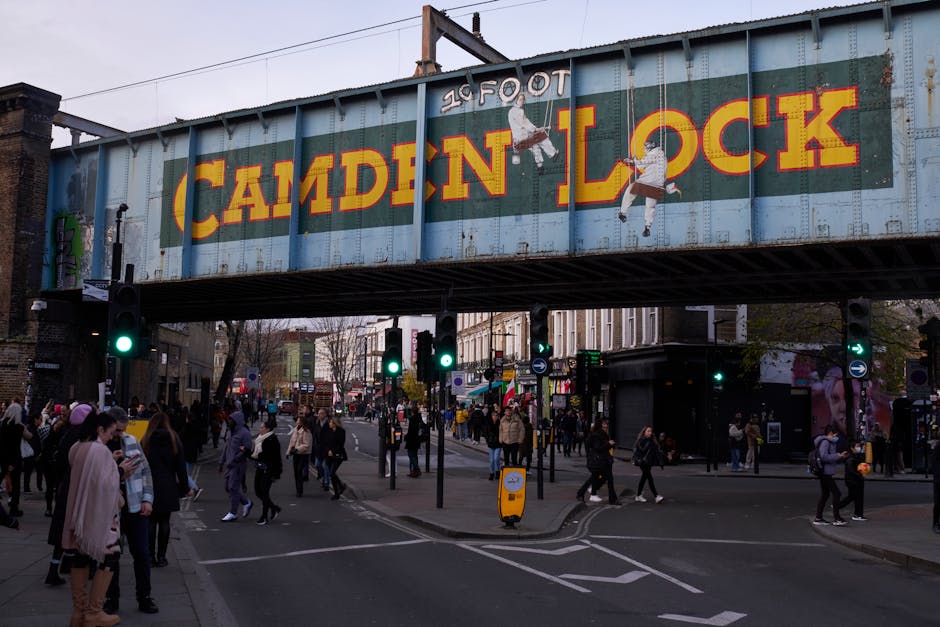
If you trade at Camden Lock, you already know the rhythm: early starts, narrow walkways, sudden weather changes, busy footfall, and no room for faff. A move here is not the same as a standard house shift. It needs timing, local awareness, careful handling of stock and display gear, and a crew that understands how market trading actually works. That is exactly why choosing a Camden Lock removals specialist for market traders can make the whole process calmer, quicker, and far less risky.
Whether you are moving a stall, relocating equipment between trading days, or setting up a new pitch, the job is about more than lifting boxes. You need a plan that respects access windows, protects fragile goods, and keeps downtime to a minimum. In this guide, we will walk through how the process works, what to look for, common mistakes to avoid, and how to prepare so your move goes smoothly on the day. Truth be told, a good moving plan can save you more than a few headaches.
Why Camden Lock removals specialist for market traders Matters
Camden Lock is a working market environment first and a moving site second. That sounds obvious, but it changes everything. You are not just moving items from A to B; you are dealing with live trading conditions, public access, limited loading space, and stock that may need to be unpacked and ready fast. If your stall relies on visual presentation, even a small delay can mean a slow trading day. And nobody wants that.
A specialist mover understands that market traders need precision. The van has to arrive at the right time, the route in and out has to be sensible, and loading needs to be efficient without getting in the way of other traders or visitors. In many cases, the right removals partner is the difference between a tidy transition and a messy, stressful reset.
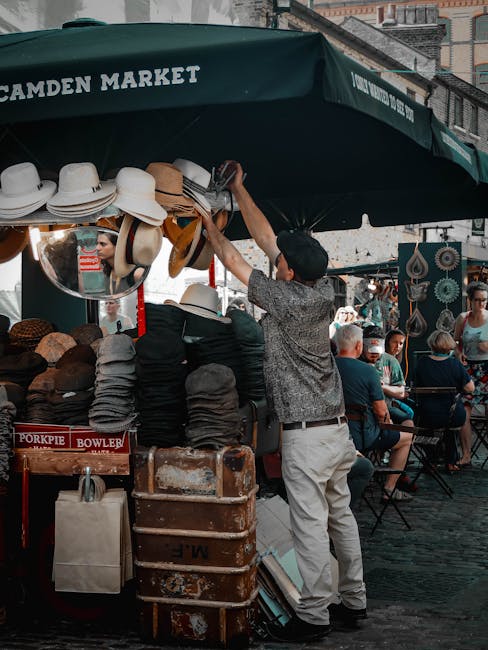
There is also the issue of business continuity. If you sell clothing, homeware, prints, vintage goods, food-adjacent items, or handcrafted stock, your equipment may be oddly shaped and your packaging may not be standard. Display stands, rails, mirrors, POS materials, signboards, crates, and stock tubs all need different handling. A general mover may be perfectly fine for a sofa. For market trading, though, you usually want a team that has seen a bit of everything.
That local knowledge matters in Camden too. Roads can be busy, pedestrian flow changes through the day, and timing around market activity is often the real challenge. If you also need general moving support beyond the stall itself, it can help to look at wider local options such as removal services in Camden or a flexible man with van in Camden for smaller, quicker jobs.
How Camden Lock removals specialist for market traders Works
The best way to think about this type of move is as a staged operation. Not dramatic, just organised. The process usually starts with a quick assessment of what you are moving, where it is going, and how much access time you will have. From there, a plan is built around loading order, protective packing, transport, and unloading.
For market traders, the job often falls into one of three patterns:
- Stall relocation: moving a complete market pitch from one spot to another, or preparing for a change of unit.
- Stock transfer: transporting inventory between storage, home, and market location.
- Setup and reset support: moving displays, rails, tables, crates, and fixtures before or after a trading run.
Most of the work is in the planning. A proper mover will ask about item sizes, fragile goods, parking access, distance from vehicle to stall, and whether you need same-day turnaround. That information is not small talk; it shapes the whole move.
In practice, there is often a bit of juggling. For example, if you need to move stock early in the morning before trading starts, the team may need to arrive before the market gets busy. If your stall closes late, collection may need to happen after peak footfall has eased. Simple enough on paper. In real life, Camden can be lively, so timing is everything.
If your move is part of a larger change, such as moving from a flat or a small workspace nearby, you may want to review flat removals in Camden or office removals in Camden for a broader picture of what can be covered.
Key Benefits and Practical Advantages
There are obvious benefits, like saving time and reducing lifting strain. But the real value is a bit wider than that. A specialist service helps protect your trading income, your stock quality, and your reputation. When you are dealing with customers face to face, reliability matters. If your stall looks half-set or your stock arrives battered, people notice. Quickly.
Here are the practical gains that matter most:
- Faster setup and teardown: with the right loading sequence and equipment, you can get trading faster.
- Less stock damage: fragile pieces, mirrors, frames, and display items are packed and moved with more care.
- Lower disruption: fewer delays around market hours, neighbours, and access constraints.
- Better use of vehicle space: a smart load plan means fewer trips and less wasted time.
- Reduced personal strain: no hauling heavy boxes and awkward kit through busy lanes on your own.
There is also a mental benefit that people underestimate. A move that feels controlled simply feels better. You can focus on your pitch, your stock, and your customers instead of wondering whether the van will be there, whether the display boards will fit, or whether the rain will ruin your packaging. Camden weather, to be fair, likes to keep traders on their toes.
For traders who also need packing support, the right setup can include packing and boxes in Camden to keep stock and equipment organised before collection.
Who This Is For and When It Makes Sense
This service is not only for large traders with a long-established stall. It can be useful for all sorts of market businesses, from first-time sellers to seasoned Camden regulars. If your work depends on regular movement of stock, fixtures, or portable equipment, a specialist moving approach can pay off very quickly.
It makes sense if you are:
- changing stall location within or around Camden Lock
- moving in or out of storage between trading periods
- setting up a seasonal display or pop-up retail stand
- taking on a larger product line and need more stock transport
- sharing gear between team members or trading partners
- working to a tight schedule and cannot afford a long loading window
It is also worth considering if you are an online seller who uses Camden Lock as part of a hybrid business model. Maybe you trade face-to-face on weekends, then keep surplus stock elsewhere during the week. In that case, storage and transport need to work as a system, not as separate chores. A connected approach is usually smoother.
For anyone scaling up, it may help to compare wider service options too. A lot of traders eventually combine moving support with storage in Camden or a simple man and van Camden arrangement for recurring, smaller loads.
Step-by-Step Guidance
If you are planning a move around Camden Lock, this is the kind of process that tends to work well. Nothing fancy, just sensible preparation done in the right order.
- List everything you need to move. Include stock, packaging, signage, rails, tables, fixtures, payment devices, and any fragile pieces. Be honest here. People forget the awkward stuff.
- Separate what must travel first. Your highest-priority items should be the ones needed to reopen quickly. If you only get one van load sorted, make it the essentials.
- Measure awkward items. Long rails, display frames, mannequins, or board sets can create problems if they are not measured properly in advance.
- Choose the right moving window. Work around your trading hours, delivery restrictions, and foot traffic. Early morning and quieter off-peak periods are usually easier.
- Protect delicate items. Use wraps, blankets, sturdy boxes, and internal padding. Glass, ceramics, and branded stock deserve extra attention.
- Load in a sensible sequence. Heavy items should anchor the load. Fragile stock should not be buried under metal rails or table legs.
- Keep your setup kit accessible. Tape, cutters, labels, cable ties, cash floats, charger cables, and small tools should be in a clearly marked kit.
- Check unloading access. Do not assume the drop-off point is simple. Camden has its own quirks, and they show up at the worst time if you ignore them.
A small but useful habit: create a "first-open" box. Put in the things you absolutely need to start trading again. It can save you from that half-panicked moment where you know the stock is somewhere in the van, but not where. Happens more often than people admit.
Expert Tips for Better Results
Good moving outcomes are rarely about brute force. They come from clean planning and a calm hand on the day. Here are a few practical tips that make a real difference.
- Label by use, not just by contents. "Show display", "day-one stock", and "back stock" is more useful than a vague list of item names.
- Keep similar items together. This speeds up unloading and helps you rebuild the stall logically.
- Photograph your setup before packing. A quick phone photo of your stall layout can be a lifesaver during reassembly.
- Use smaller boxes for heavy stock. Big boxes look efficient until they become impossible to carry without groaning a bit.
- Plan for one extra stop. In busy parts of Camden, things can shift. A margin for a short delay or extra pickup is wise.
One thing experienced traders often do is build a standard move kit. Not glamorous, but very effective. Tape measure, label maker, zip ties, marker pens, folding trolley, and spare protection materials. Keep it together and ready. Then when a move comes up, you are not searching for bits and pieces ten minutes before departure.
If you are comparing providers, it can also help to review a company's overall approach through services overview and their wider about us page so you understand how they work and what kind of jobs they are set up for.
Common Mistakes to Avoid
Most stressful market moves come from a handful of avoidable mistakes. The good news? They are easy to spot once you know what to look for.
- Underestimating access constraints. Camden is busy. Loading that looked simple at 8 a.m. can be awkward 90 minutes later.
- Packing stock too loosely. Loose packing causes movement, scuffs, and breakages.
- Not separating trading essentials. If you cannot find the card reader or price tags, your first trading hour gets messy.
- Booking too late. Last-minute arrangements can limit your choice of vehicle size and time slot.
- Ignoring weather protection. Rain, damp pavements, and wet packaging can damage stock quicker than you would think.
- Choosing on price alone. Cheap and suitable are not always the same thing. Sadly.
Another common one: assuming all movers understand market work. Some do, some don't. That gap matters. A trader's move needs speed, care, and flexibility. If those three things are not being discussed before the job, that is a warning sign.
Tools, Resources and Recommendations
You do not need a warehouse full of equipment to move well, but a few practical tools make life much easier. The best setups are usually fairly simple.
| Tool or resource | Why it helps | Best used for |
|---|---|---|
| Heavy-duty boxes | Protects stock and helps stacking | Apparel, small goods, packaged products |
| Wrap and padding | Reduces scratches and breakage | Fragile items, signage, display pieces |
| Labels and markers | Makes unloading and sorting faster | All stock and equipment categories |
| Folding trolley | Speeds up short-distance movement | Heavy or repetitive loads |
| Protective covers | Helps keep items clean and dry | Displays, textiles, furniture-style fixtures |
For planning the actual move, it is useful to compare your transport options. Some traders only need a small van for a few boxes and displays. Others need a larger removal van and a crew that can handle assembly and careful loading. If you are not sure, a service like removal van Camden may suit a bulkier load, while a lighter arrangement such as man and a van Camden can be ideal for smaller, more flexible jobs.
It is also worth checking practical support pages such as pricing and quotes if you want to understand how costs are usually discussed before a booking is confirmed.
Law, Compliance, Standards, or Best Practice
For market traders, compliance is not just a box-ticking exercise. It is about keeping people safe, respecting access rules, and operating responsibly around other traders and the public. Exact requirements can vary depending on your trading arrangement and the location of your pitch, so it is wise to confirm any site-specific expectations before moving day.
At a practical level, you should think about the following:
- Safe manual handling: use sensible lifting techniques and do not overload boxes beyond what can be carried safely.
- Clear access routes: keep pathways free while loading or unloading so you do not block others.
- Insurance awareness: check what is covered during transit and loading, especially for higher-value stock.
- Vehicle suitability: use a vehicle that can handle your items safely, not just one that is available at short notice.
- Waste handling: recycle packaging and dispose of broken or unusable materials responsibly.
Best practice also means using a mover with a visible commitment to safe operations. If that matters to you, it is worth reviewing pages like insurance and safety and health and safety policy so you know what standards are being put in place behind the scenes.
You may also find it reassuring to check how a business handles payment and security and whether its approach to recycling and sustainability fits your own values. Small things, but they matter.
Options, Methods, or Comparison Table
Not every trader needs the same kind of moving support. The right choice depends on volume, timing, and how hands-on you want the process to be. Here is a straightforward comparison.
| Option | Best for | Strengths | Trade-offs |
|---|---|---|---|
| Man and van | Small loads, fast runs, flexible schedules | Quick, practical, usually more adaptable | Less suitable for larger or fragile setups |
| Removal van with support | Heavier loads, more stock, bulkier displays | Better capacity and more controlled loading | May be more than you need for tiny jobs |
| Full removals service | Complete stall relocations or bigger business moves | Stronger organisation and broader handling support | Potentially higher cost and more planning |
| Self-managed move | Very small moves with minimal value at risk | Low direct spend | Higher physical effort, more time, more risk |
To be fair, a lot of traders start with a smaller solution and then move up once business grows. That is normal. What matters is matching the method to the reality of the job, not the fantasy version where everything fits neatly into a few boxes. It rarely does.
Case Study or Real-World Example
Here is a realistic example based on the kind of move many Camden traders face. A seller runs a stall with clothing rails, folded stock, display boards, two crates of accessories, a card reader, and a few light fixtures. They also keep overflow stock in storage and restock twice a week.
The move needs to happen before trading opens. The trader does not want to unload in a rush, because hanging stock takes time and a messy setup makes the stall look unfinished. So the plan is broken into three parts: collect stock from storage, load the main display pieces separately, and keep the "open first" box on top for easy access.
On the day, the mover arrives early, checks the route in, and loads the heavier fixtures first. The fragile display pieces are wrapped properly, and the items needed to build the stall are placed so they can come off first. The trader then arrives with enough time to set up without panic. Not perfect, not glamorous, but calm. And calm is gold on market mornings.
That kind of job shows the value of a specialist approach. It is not about owning the biggest van. It is about knowing how a trader's working day is structured and making the moving plan fit around it.
Practical Checklist
Use this checklist before moving day. If you tick these off, you are already ahead of most last-minute scrambles.
- Inventory list completed and checked
- Fragile items wrapped and labelled
- First-open box packed separately
- Loading access and timing confirmed
- Vehicle size matched to the load
- Parking and entry route reviewed
- Display kit, tools, and charging cables kept together
- Stock protected from damp or rain
- Storage arrangement confirmed if needed
- Insurance and payment details understood
- Recycling plan for packaging waste in place
- Post-move setup order written down
One tiny tip that helps a lot: keep a note in your phone with the exact order you want to rebuild the stall. It sounds almost too simple, but when you are tired and the market is buzzing around you, that note can be a lifesaver.
Get a free quote today and see how much you can save.
Conclusion
Choosing a Camden Lock removals specialist for market traders is really about protecting your time, your stock, and your trading momentum. The right move partner understands that a market business has its own pace and pressures. You need practical loading, careful handling, and a plan that fits real life in Camden, not some neat, theoretical version of it.
If you prepare properly, keep your priorities clear, and work with a team that knows the area, the whole process becomes much easier. Less stress, fewer surprises, and a better chance of getting back to trading with everything where it should be. Simple, but not always easy. That is why good local support matters.
And if you are at the stage where you want the job handled with care from the start, the next move can be a confident one.